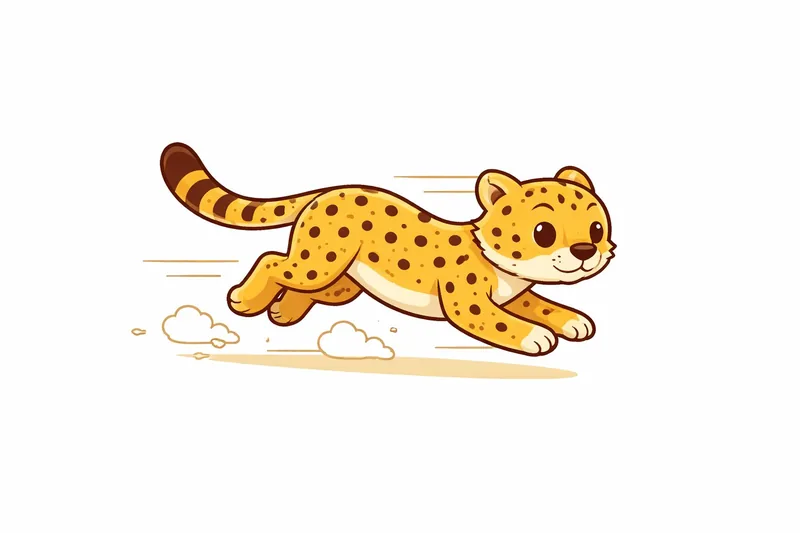
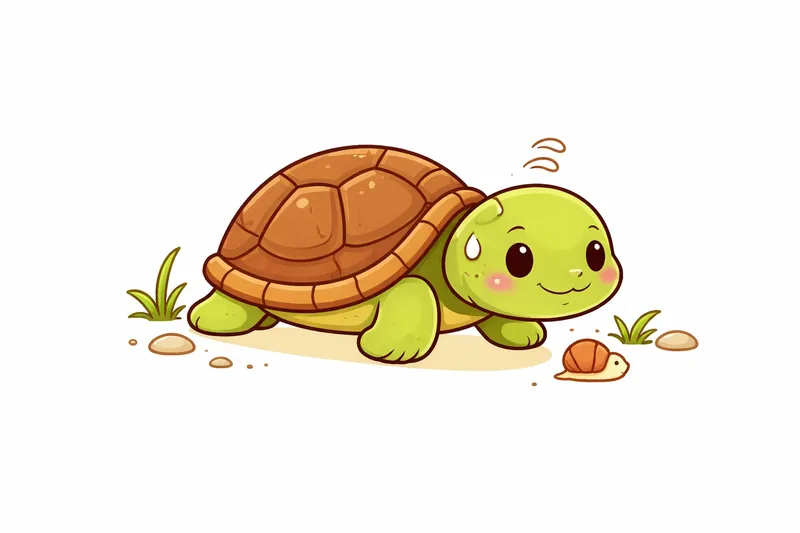
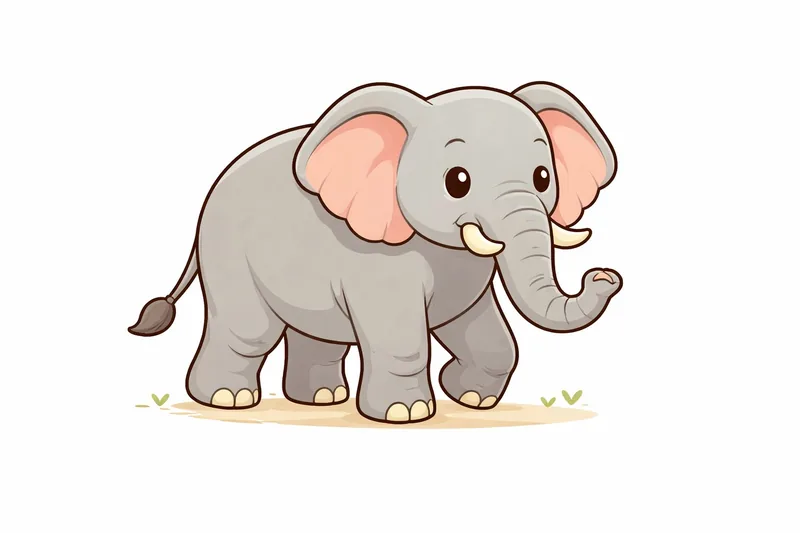
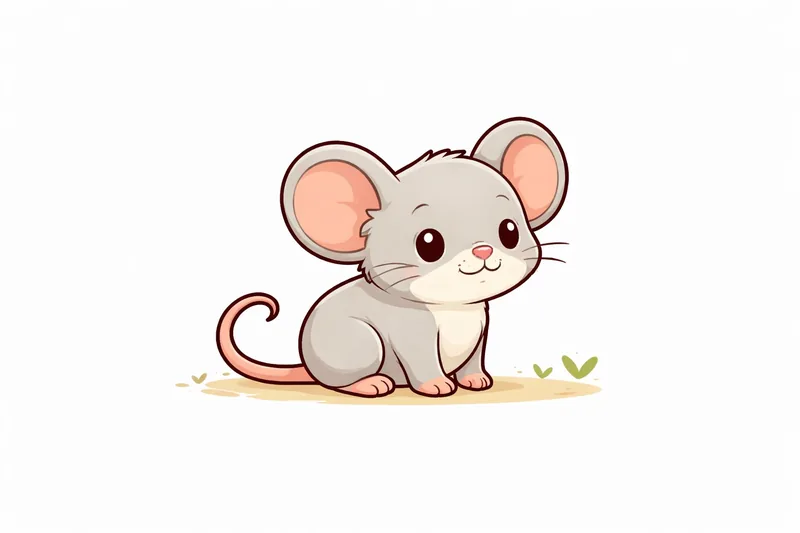
One of the best ways to learn new words is in pairs. When you learn "big", you learn "small" at the same time. When you learn "fast", you also get "slow" for free! In Chinese, these pairs are called 反义词 (fǎnyìcí), opposite words.
And what better way to remember them than with animals? A cheetah is fast. A tortoise is slow. An elephant is big. A mouse is small. Animals are the perfect teachers! Let's learn ten pairs of opposites together.
Colour guide
🟣 Purple = the animal
Red = the new word
Teal = the opposite
All 10 pairs at a glance
Here is a quick overview of everything you have learned. Print it out, hang it on the fridge, and practise one pair each day!
|
Word A |
|
Word B |
| 🐆 / 🐢 |
快kuài · fast |
↔ |
慢màn · slow |
| 🐘 / 🐭 |
大dà · big |
↔ |
小xiǎo · small |
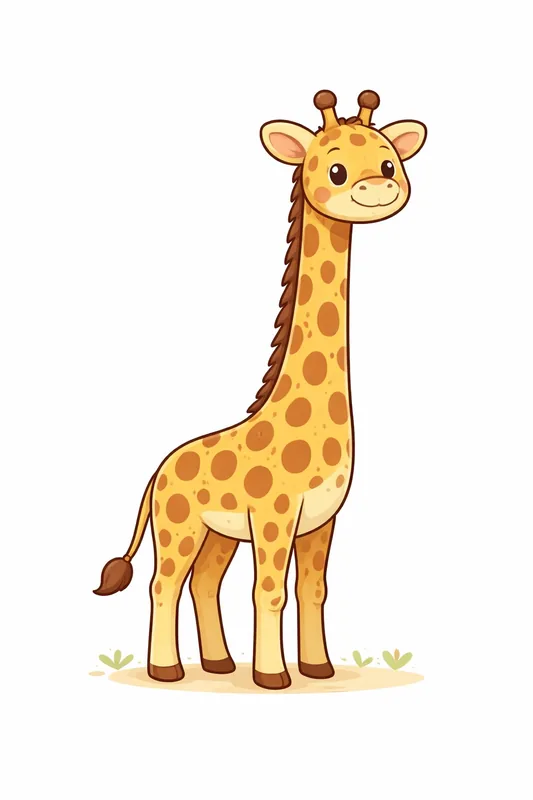
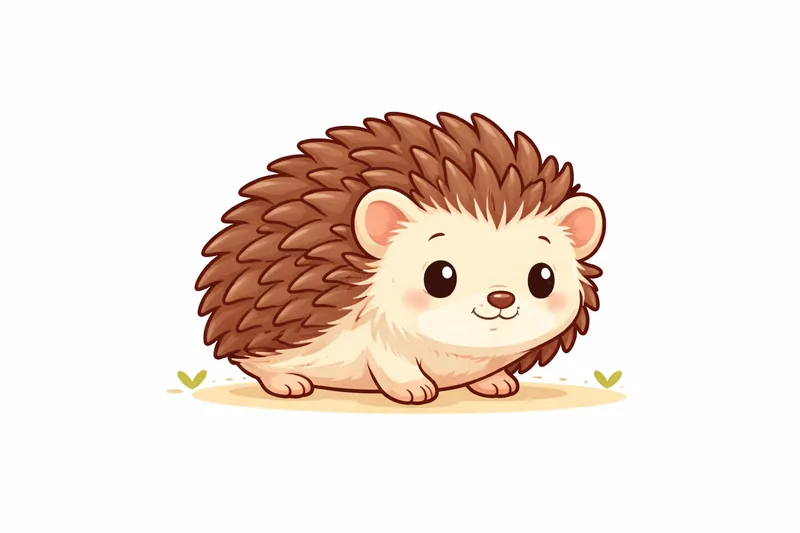
| 🦒 / 🦔 |
高gāo · tall |
↔ |
矮ǎi · short |
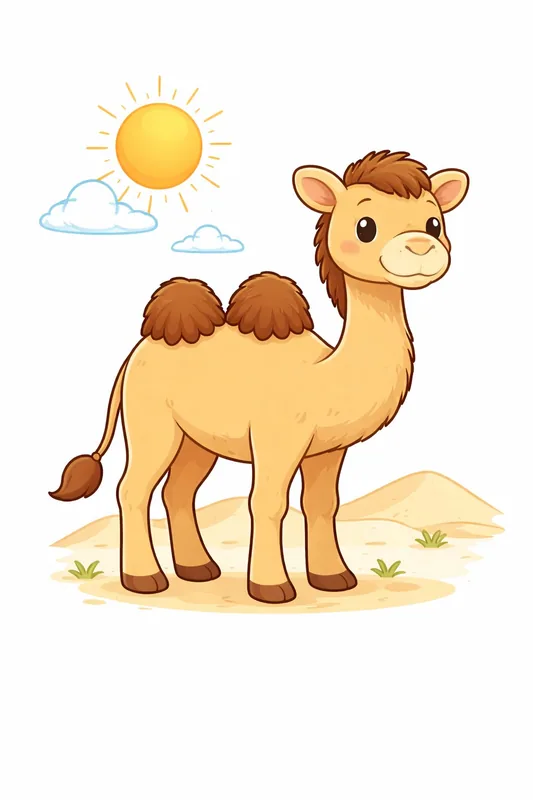
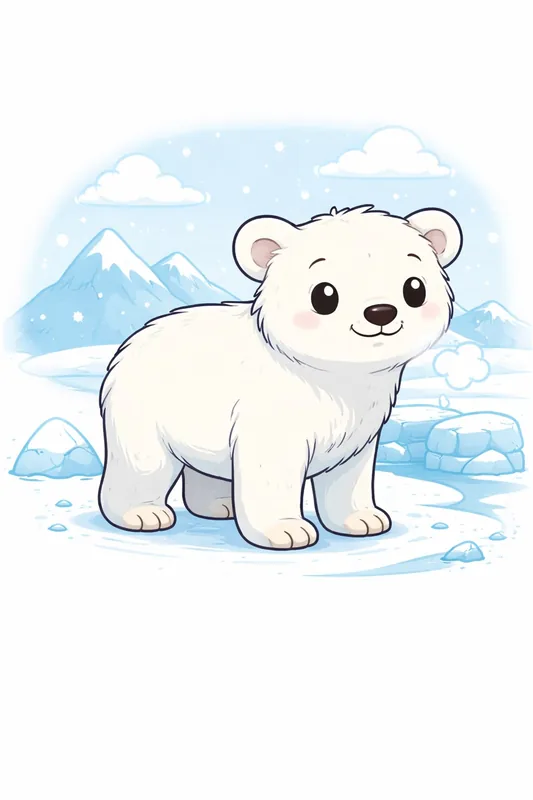
| 🐪 / 🐻❄️ |
热rè · hot |
↔ |
冷lěng · cold |
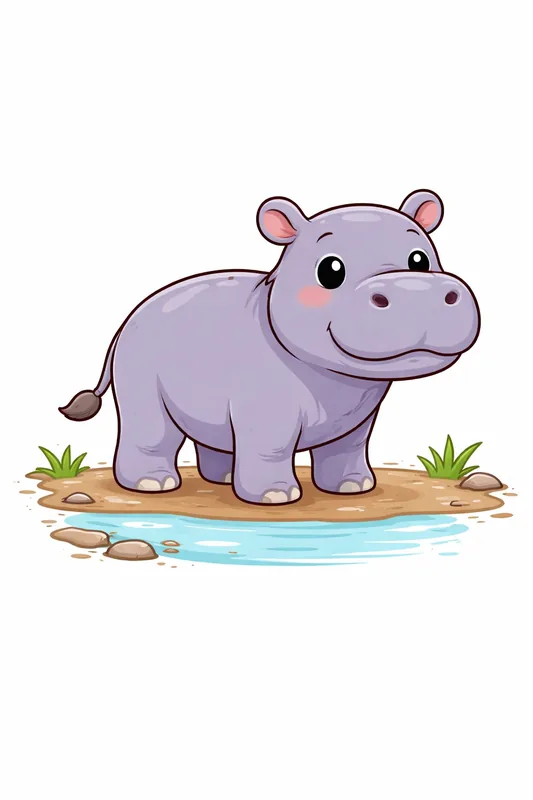
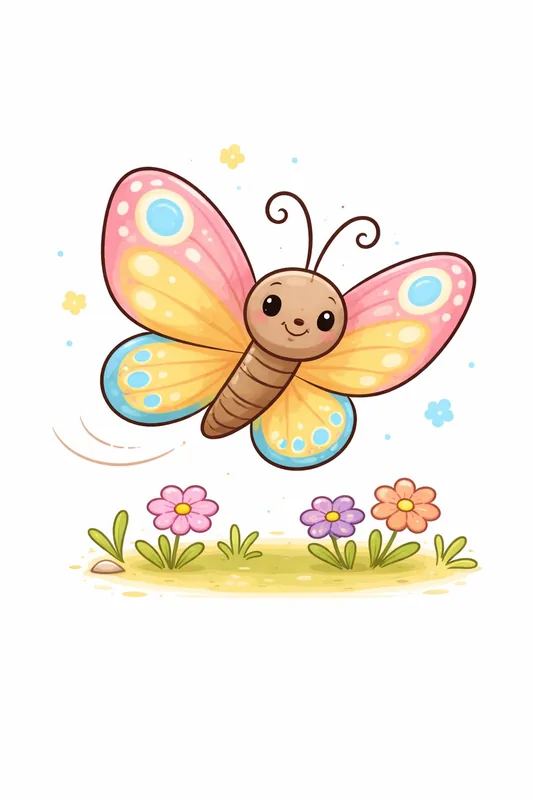
| 🦛 / 🦋 |
重zhòng · heavy |
↔ |
轻qīng · light |
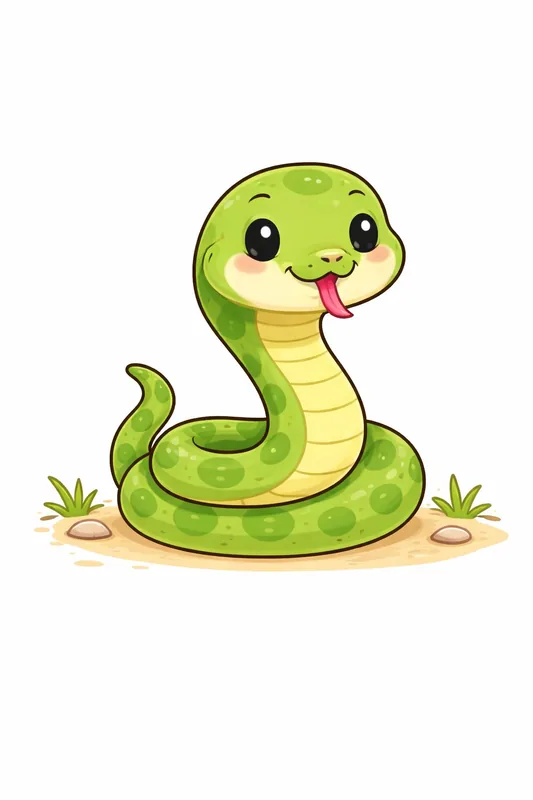
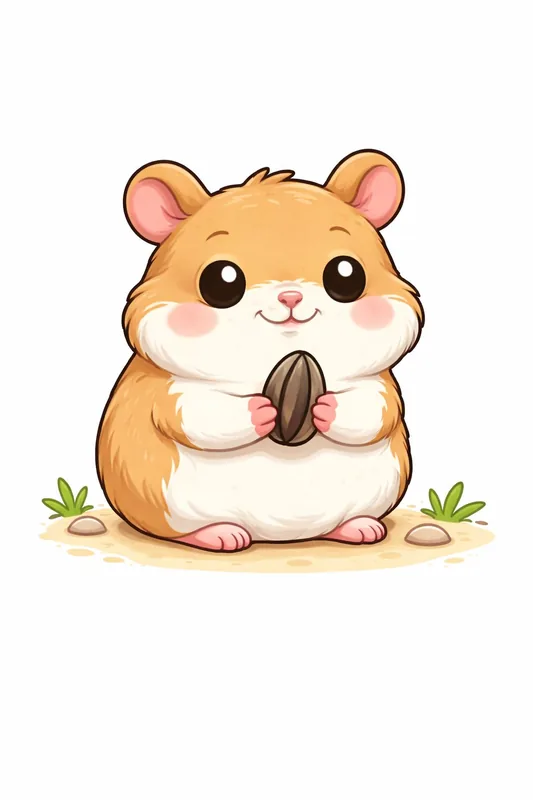
| 🐍 / 🐹 |
长cháng · long |
↔ |
短duǎn · short |
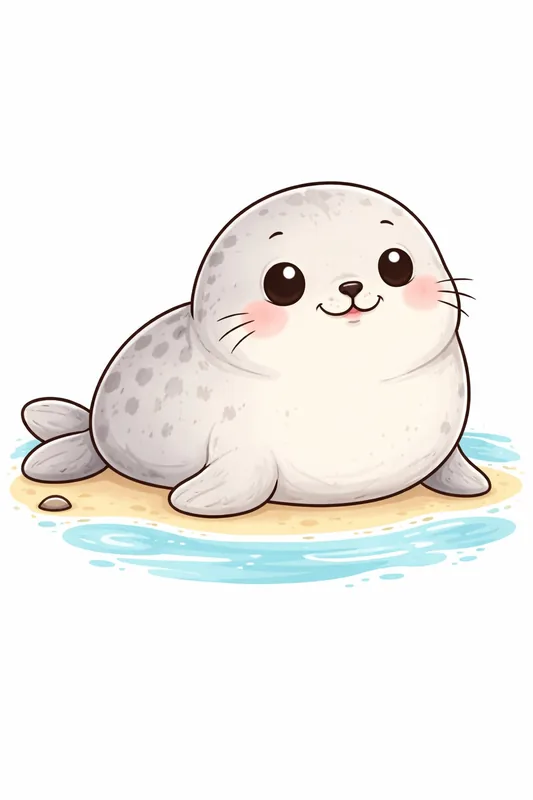
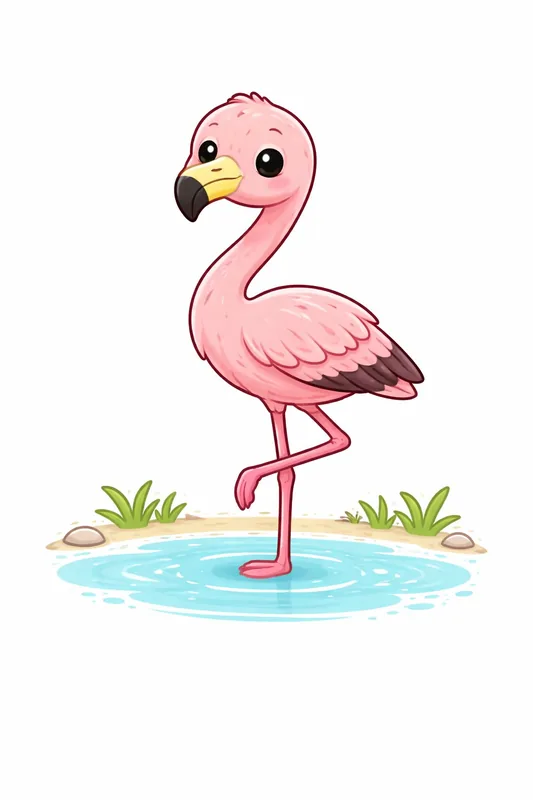
| 🦭 / 🦩 |
胖pàng · fat |
↔ |
瘦shòu · thin |
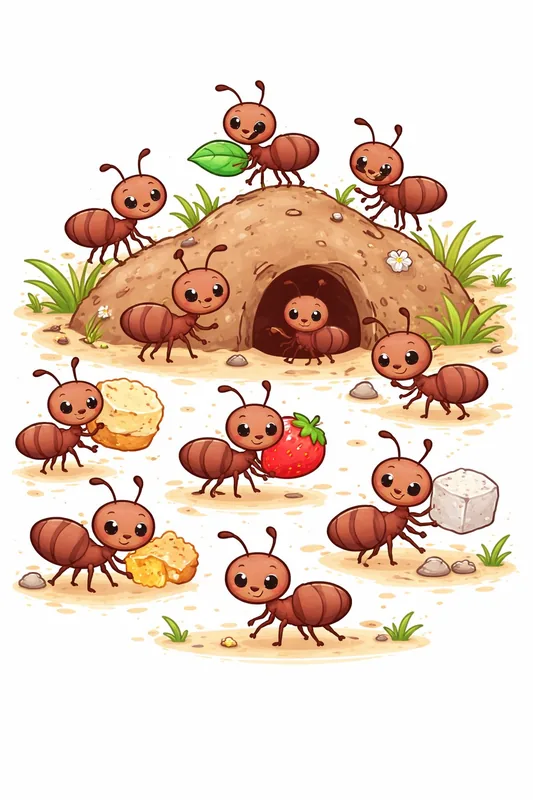
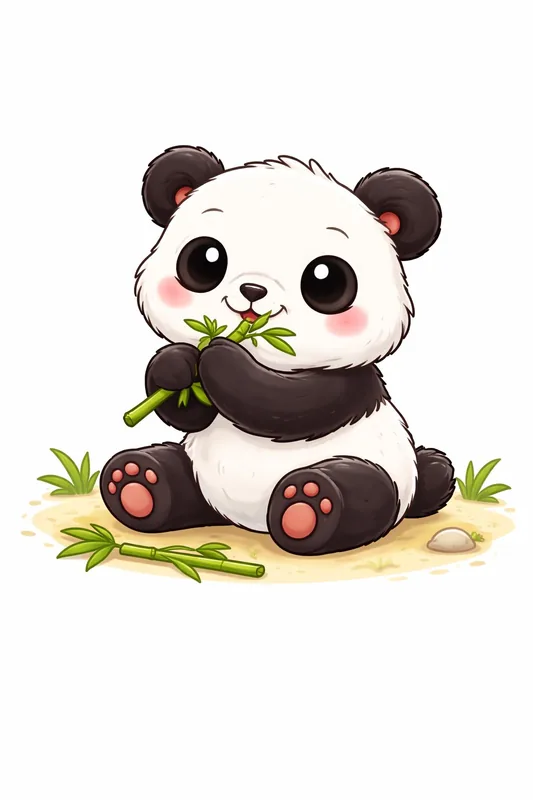
| 🐜 / 🐼 |
多duō · many |
↔ |
少shǎo · few |
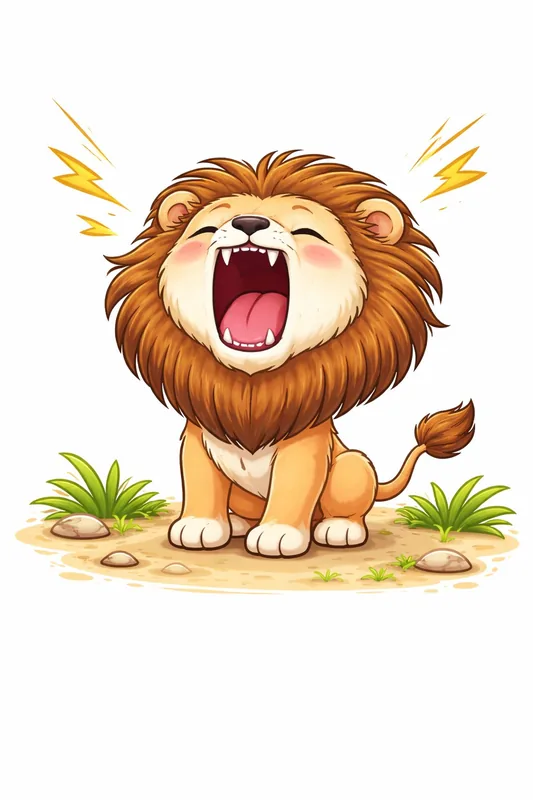
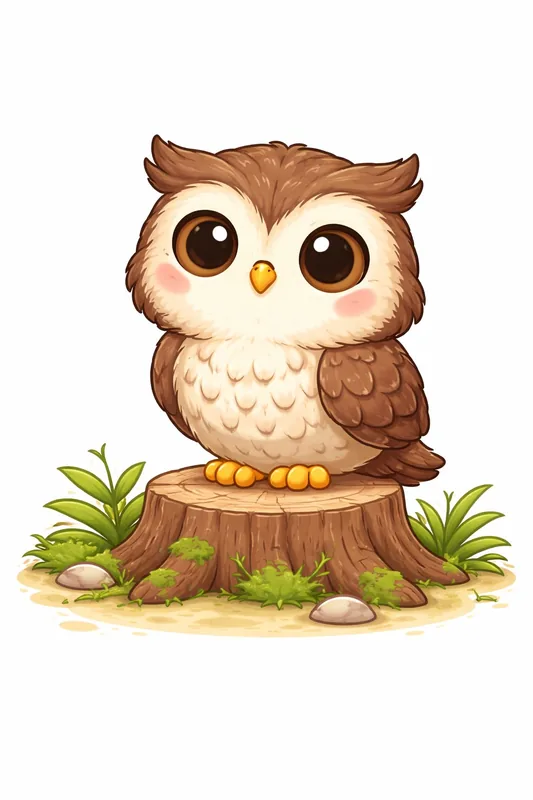
| 🦁 / 🦉 |
大声dà shēng · loud |
↔ |
安静ānjìng · quiet |
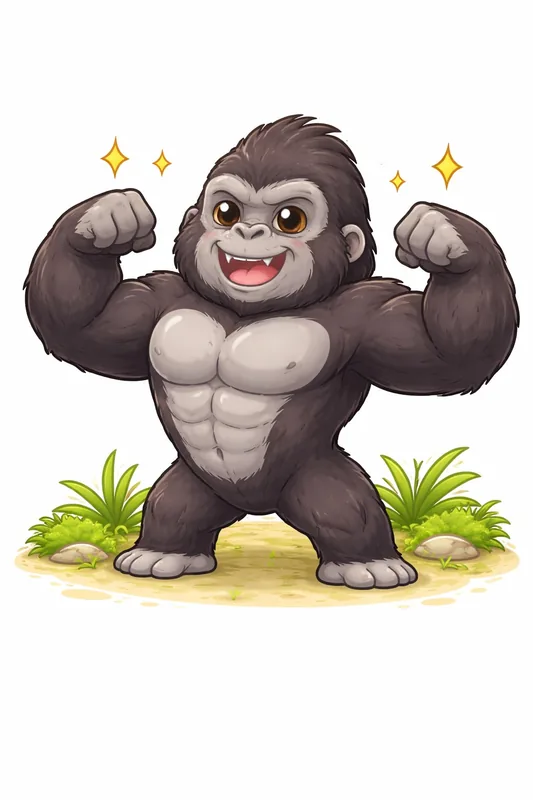
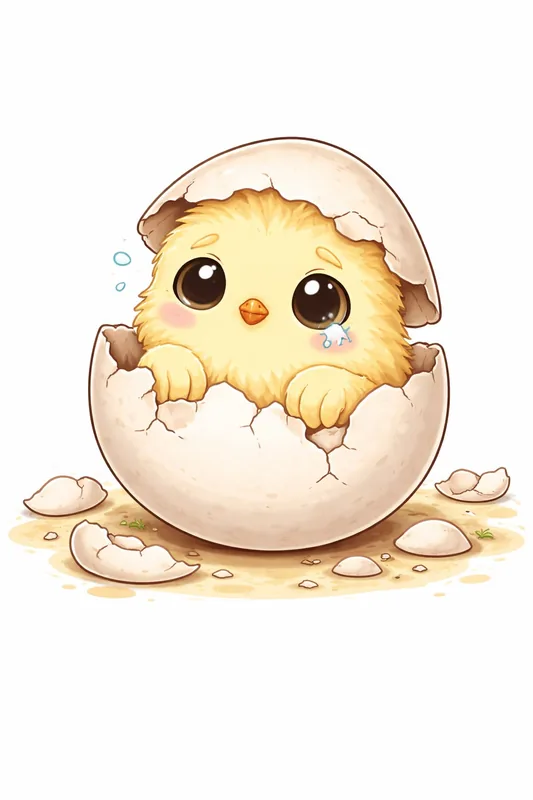
| 🦍 / 🐣 |
强qiáng · strong |
↔ |
弱ruò · weak |
🎯 Game idea: say the animal name in English, and let your child shout the Chinese word! "Cheetah!" → 快 (kuài)! "Tortoise!" → 慢 (màn)! Add sound effects for extra fun.
💡 Did you know? In Chinese, adjectives can be made stronger by adding 很 (hěn) in front, it works like "very". So 大 means big, and 很大 means very big. Easy!
✨ At Marina Chinese, we practise vocabulary in playful ways so it sticks naturally, no boring flashcard drills. Book a trial lesson →